Construction projects are complex undertakings that require precise planning, accurate execution, and efficient resource management. One of the most critical early stages of any construction project is earthwork excavation. Proper excavation lays the foundation for buildings, roads, and infrastructure, influencing the project’s overall timeline and cost efficiency. Mistakes or delays in this phase can cascade, causing budget overruns, extended schedules, and structural issues that may persist long after project completion. Understanding the value of expert earthwork excavation is essential for developers, contractors, and property owners who aim to achieve optimal results without unnecessary expense. Early attention to soil conditions, grading, and site accessibility can prevent downstream challenges and reduce the likelihood of costly change orders during construction.
Investing in professional excavation services provides more than just physical preparation of a site. It involves strategic planning, soil analysis, grading, and proper machinery utilization to ensure the land is ready for construction. Skilled excavation reduces risks, prevents costly errors, and streamlines the workflow. By leveraging advanced techniques and experienced judgment, projects can progress smoothly from groundwork to final construction, ultimately saving both time and money. Moreover, expert excavation ensures compliance with local regulations and environmental standards, safeguarding the project against legal or operational setbacks. Recognizing when and how to engage expert excavation services is a smart move for anyone committed to successful construction outcomes and long-term structural integrity.
1. The Role of Earthwork Excavation in Construction Projects
Understanding Earthwork Excavation
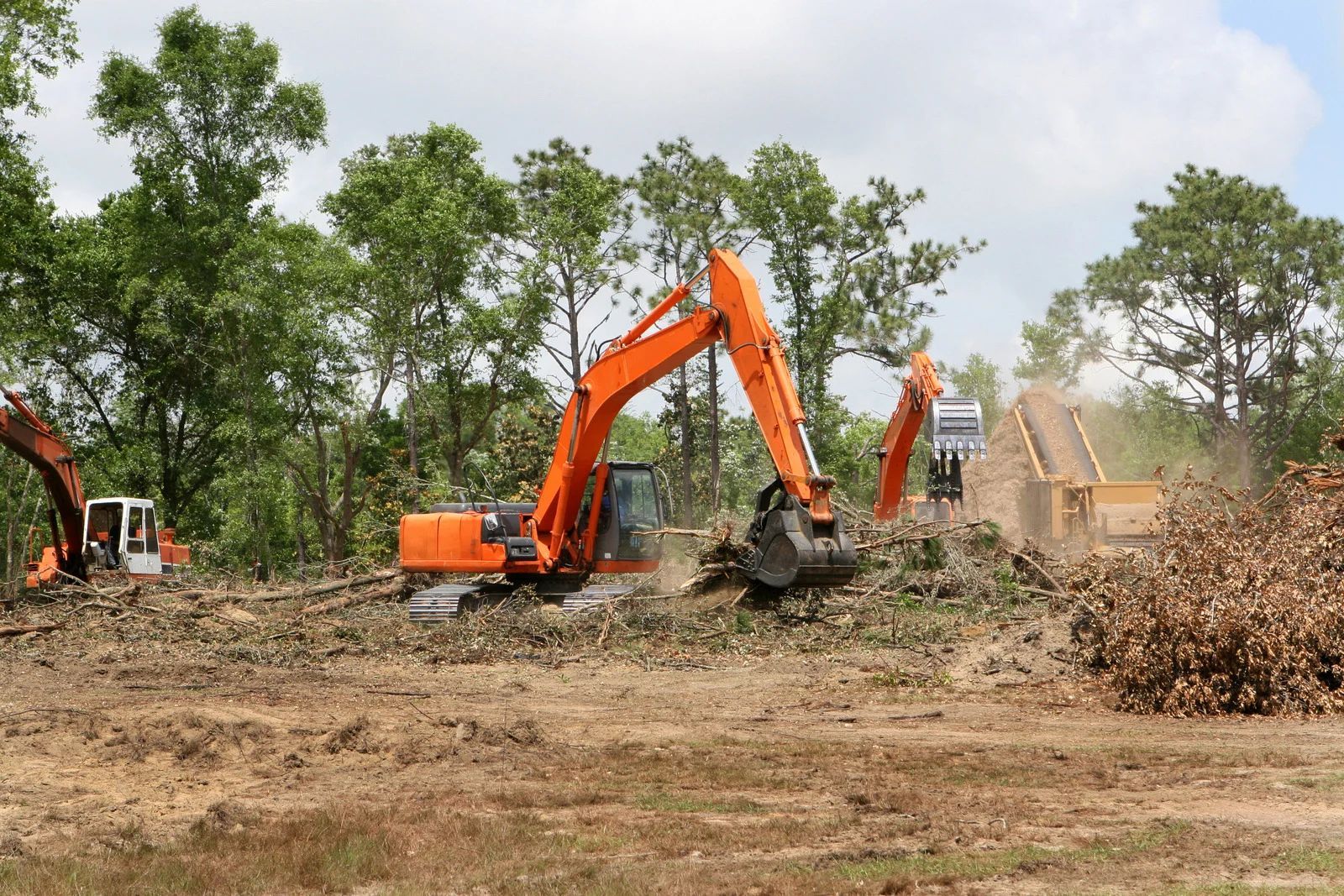
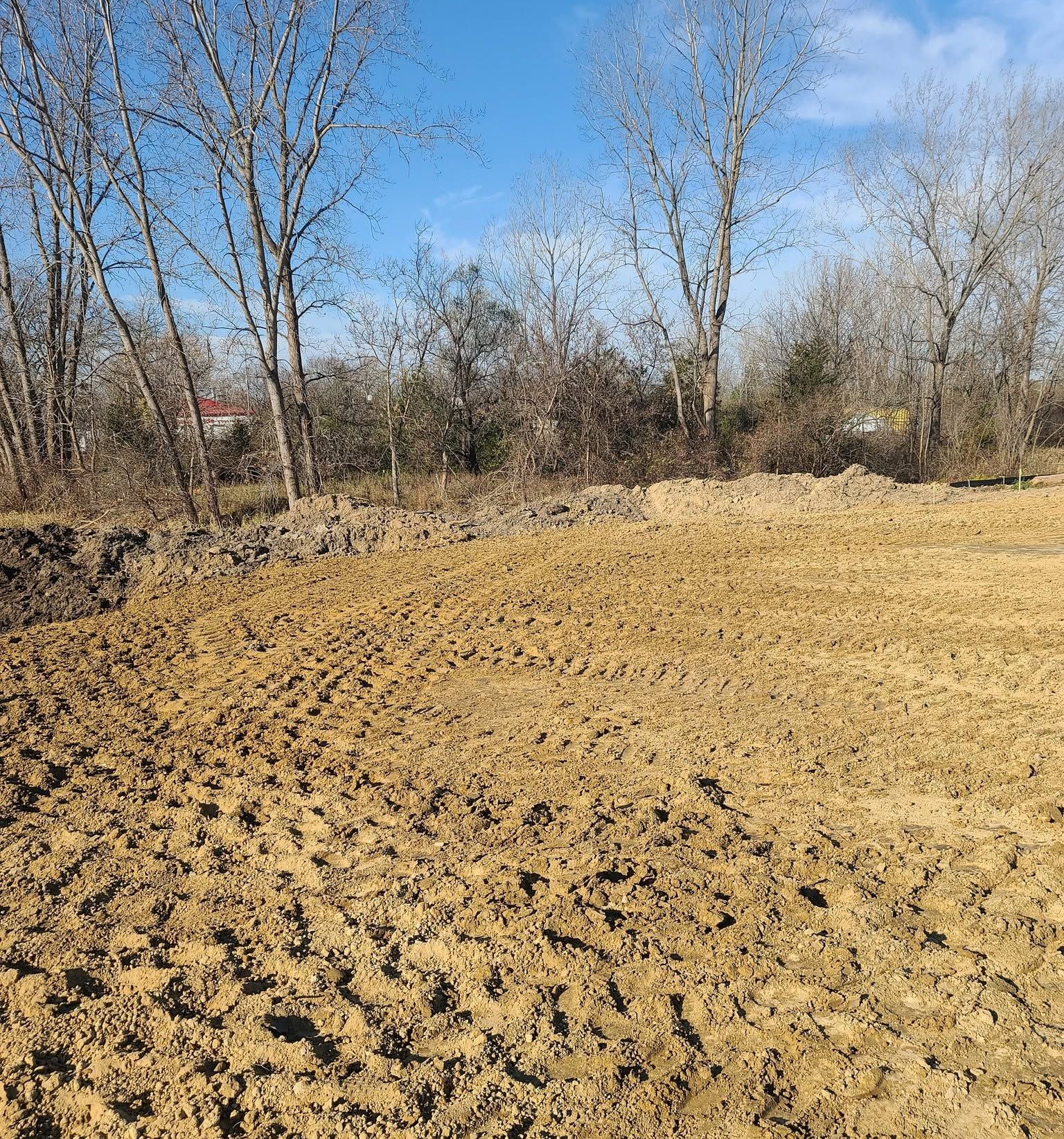
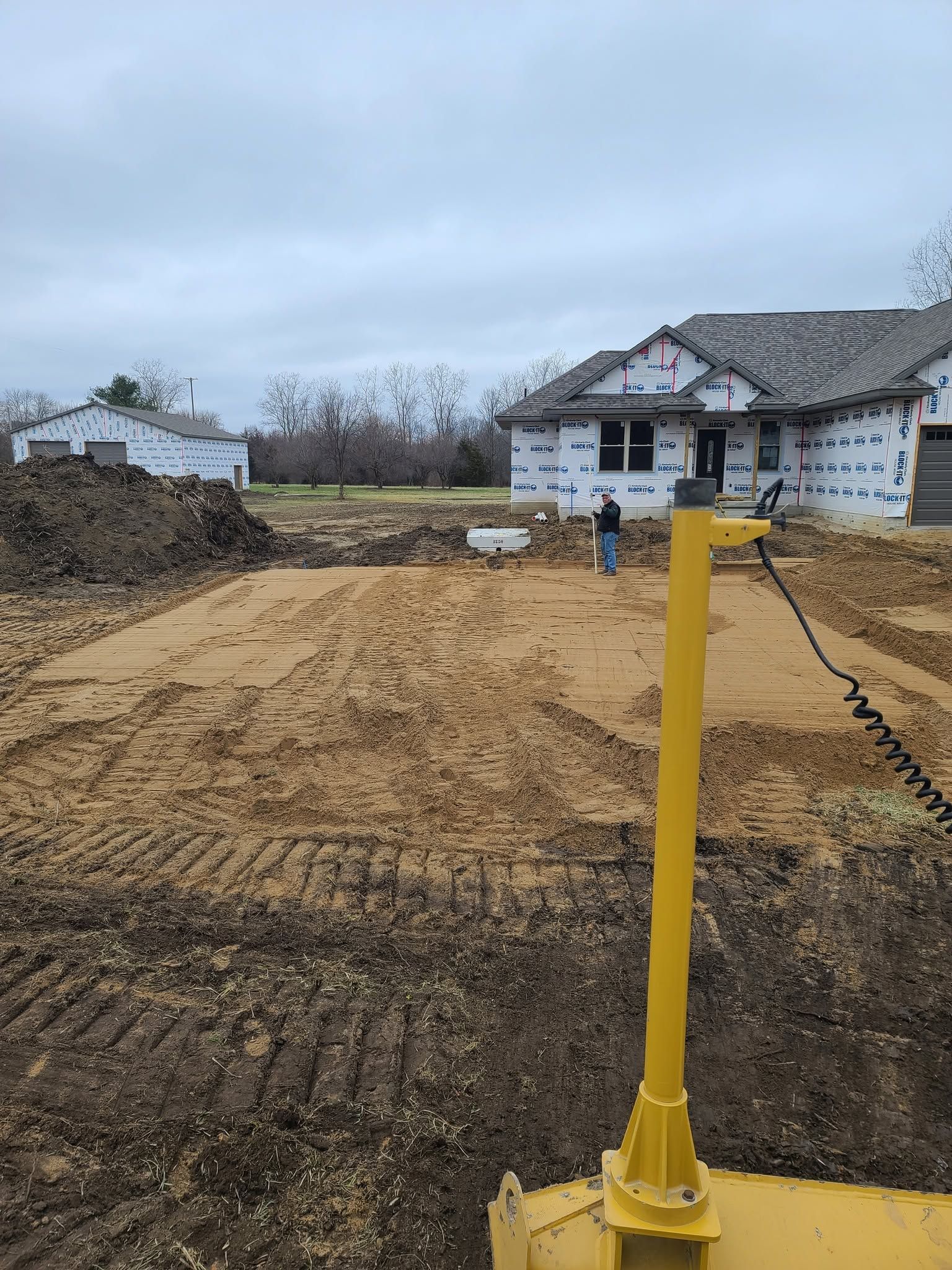
Earthwork excavation is the process of removing, moving, and shaping soil, rock, and other materials to prepare a construction site. It includes activities such as grading, trenching, foundation digging, and site leveling. Each step requires careful planning, proper machinery, and skilled operation. Even minor miscalculations in soil removal or grading can compromise structural integrity or lead to drainage issues, making expert handling crucial.
How Excavation Impacts Overall Project Cost
Proper excavation influences both direct and indirect costs. Directly, it affects the amount of soil moved, equipment rental time, and labor expenses. Indirectly, poorly executed excavation can result in project delays, structural repairs, and increased maintenance costs. By addressing these factors proactively, expert excavation minimizes unforeseen expenses, ensuring the project stays within budget while meeting construction standards.
Case Example
Consider a commercial building project where excavation is done without detailed soil analysis. Encountering unstable soil during foundation work can halt construction, requiring additional fill material and specialized machinery. Expert excavation, on the other hand, identifies soil conditions in advance, optimizes grading, and anticipates potential obstacles, preventing costly interruptions.
2. Time Savings Through Strategic Planning
Pre-Excavation Site Assessment
Thorough pre-excavation assessments are essential for efficiency. Conducting soil testing, topographic surveys, and drainage analysis allows for precise planning of excavation activities. These evaluations prevent surprises during construction and enable teams to sequence tasks efficiently. Identifying potential challenges, such as underground utilities or uneven terrain, ensures smoother project execution and avoids delays.
Efficient Equipment Utilization
Expert excavation involves selecting the right machinery for specific tasks. For example, heavy-duty bulldozers, excavators, and trenchers are matched to soil type and project scale. Proper equipment allocation reduces unnecessary downtime, optimizes fuel usage, and accelerates completion times. Equipment efficiency directly correlates with reduced project schedules, translating into labor and cost savings.
Optimized Workflow Sequencing
Strategic workflow sequencing ensures that excavation tasks align seamlessly with other construction activities. For instance, completing grading and foundation trenches in a logical order allows follow-up tasks such as utility installation and concrete pouring to proceed without interruption. This level of coordination reduces idle time for contractors, accelerates overall timelines, and enhances site safety.
3. Cost Efficiency Through Expert Techniques
Minimizing Material Waste
Earthwork excavation often generates significant soil displacement. Without proper management, excess soil can lead to unnecessary disposal costs or the need for additional fill material. Expert excavation strategies include soil stockpiling, reuse of excavated material, and precise volume calculations, reducing waste and optimizing material handling.
Reducing Labor Costs
Skilled excavation reduces the labor hours needed for completion. Trained operators can achieve accurate cuts, slopes, and trenches on the first attempt, preventing repeated adjustments. Fewer labor hours translate directly into cost savings while maintaining high-quality results.
Preventing Structural Issues
Proper grading and compaction prevent soil erosion, uneven settlement, and foundation instability. Addressing these factors during excavation avoids expensive structural repairs later. For example, ensuring correct soil compaction beneath a foundation can prevent uneven settling, which might otherwise require costly reinforcement or rebuilding measures.
Real-World Example
A residential subdivision project involved extensive excavation for home foundations. By employing expert excavation techniques, accurate soil measurements were taken, and excess material was repurposed for landscaping. This approach reduced hauling costs, minimized labor hours, and kept the project within budget, illustrating how strategic earthwork planning leads to financial efficiency.
4. Mitigating Risks and Avoiding Delays
Understanding Soil and Terrain Challenges
Soil composition, moisture content, and terrain slope significantly influence excavation efficiency. Experts perform geotechnical analysis to determine soil stability and recommend solutions such as retaining walls, drainage systems, or soil reinforcement. Anticipating these factors prevents site complications that could stall construction progress.
Compliance with Regulations
Excavation activities must adhere to local regulations, including erosion control, environmental protection, and utility safety. Professional excavators navigate these requirements effectively, reducing the likelihood of fines, work stoppages, or legal complications. Regulatory compliance also ensures long-term structural and environmental integrity.
Avoiding Equipment Downtime
Proper maintenance and machine selection reduce equipment failures, which can cause costly project delays. Experts schedule operations to minimize wear and tear, manage fuel efficiency, and plan for contingencies, ensuring uninterrupted workflow and timely project completion.
Scenario Illustration
During a commercial road construction project, unforeseen rain and unstable soil threatened excavation progress. Expert operators adjusted the workflow, implemented temporary drainage, and used specialized machinery to maintain schedule integrity. This proactive approach prevented costly project delays and safeguarded the budget.
5. Best Practices for Cost-Effective Excavation
Detailed Site Planning
Creating a comprehensive excavation plan involves mapping out soil removal, grading specifications, drainage paths, and machinery deployment. A detailed plan ensures accurate execution, minimizes surprises, and supports budget predictability.
Leveraging Technology
Modern excavation benefits from technologies such as GPS-guided machinery, drone surveys, and 3D modeling. These tools provide precise measurements, enhance accuracy, and reduce human error. Technology integration allows for faster completion and optimized resource usage.
Efficient Material Management
Proper handling of excavated soil and materials enhances cost efficiency. Stockpiling usable soil for later backfill, recycling rock for landscaping, and coordinating disposal with municipal regulations prevents unnecessary expenses and reduces environmental impact.
Skilled Workforce Deployment
Investing in experienced operators ensures quality work from the outset. Trained personnel understand soil behavior, machinery capabilities, and grading requirements, minimizing errors and rework. Experienced operators also maintain safety standards, reducing the risk of accidents that can halt work and increase costs.
Continuous Monitoring
Regular site inspections and progress tracking identify deviations early, allowing for immediate corrective action. Continuous monitoring maintains project schedules, prevents material waste, and ensures that excavation quality meets engineering specifications.
6. Real-World Benefits of Expert Excavation
Faster Project Completion
Expert excavation accelerates groundwork, enabling subsequent construction phases to begin sooner. Timely completion reduces overhead costs, including labor, equipment rentals, and project management expenses. Faster timelines also improve client satisfaction and support timely revenue generation.
Long-Term Structural Stability
Accurate grading, soil compaction, and drainage planning prevent future settlement issues, flooding, or erosion. This reduces long-term maintenance costs and ensures buildings and infrastructure remain structurally sound for decades.
Optimized Resource Allocation
Expert excavation minimizes overuse of machinery, labor, and materials. By calculating soil volumes, selecting appropriate equipment, and sequencing tasks efficiently, projects operate with optimal resource utilization, lowering both operational costs and environmental impact.
Risk Reduction
Professional excavation reduces unforeseen risks related to site conditions, regulatory compliance, and equipment management. Mitigating these risks prevents budget overruns, construction delays, and safety incidents, providing peace of mind for all stakeholders.
Case Example
In a mixed-use development project, precise excavation planning allowed for simultaneous utility installation, foundation construction, and site grading. This integrated approach shortened the project timeline by several weeks and significantly reduced labor and material expenses, demonstrating the tangible value of professional earthwork services.
Professional Excavation Expertise Driving Cost-Effective Outcomes
Expert earthwork excavation is a critical investment for any construction project. Proper excavation enhances efficiency, reduces labor and material costs, and prevents costly structural and regulatory issues. Strategic planning, skilled operators, advanced machinery, and modern technologies all contribute to streamlined workflows and optimized project outcomes. By addressing soil and terrain challenges proactively, professional excavation saves significant time and money while ensuring long-term site stability and compliance with industry standards. Every construction project benefits from engaging specialized excavation expertise early in the planning stages.
At Phillips Trucking and Excavating, we bring over 26
years of hands-on experience in Swartz Creek, Michigan, delivering excavation solutions that drive results. Our services encompass precise grading, foundation excavation, site preparation, and comprehensive earthwork strategies tailored to each project’s unique requirements. By combining advanced machinery, industry knowledge, and a results-driven approach, we ensure projects proceed efficiently, safely, and within budget. Our commitment to excellence, integrity, and client-focused service positions us as a trusted authority in the excavation industry. Choosing Phillips Trucking and Excavating
guarantees not only expert execution but also a partner who understands the nuances of construction challenges and works relentlessly to save time, reduce costs, and support long-term project success.