Property development, maintenance, and landscaping often require more than just basic upkeep. Many landowners underestimate the significance of proper earthwork, which encompasses excavation, grading, leveling, and soil management. Without professional intervention, even minor soil or terrain issues can escalate into costly problems, affecting structural integrity, drainage, and usability. Recognizing early signs that indicate the need for expert earthwork can prevent long-term damage and optimize property functionality. Understanding these indicators is especially critical for residential, commercial, and industrial properties, where soil stability and terrain management directly impact safety, aesthetics, and operational efficiency. Proactive attention to these signs not only safeguards investments but also ensures that outdoor spaces remain functional and visually appealing over time.
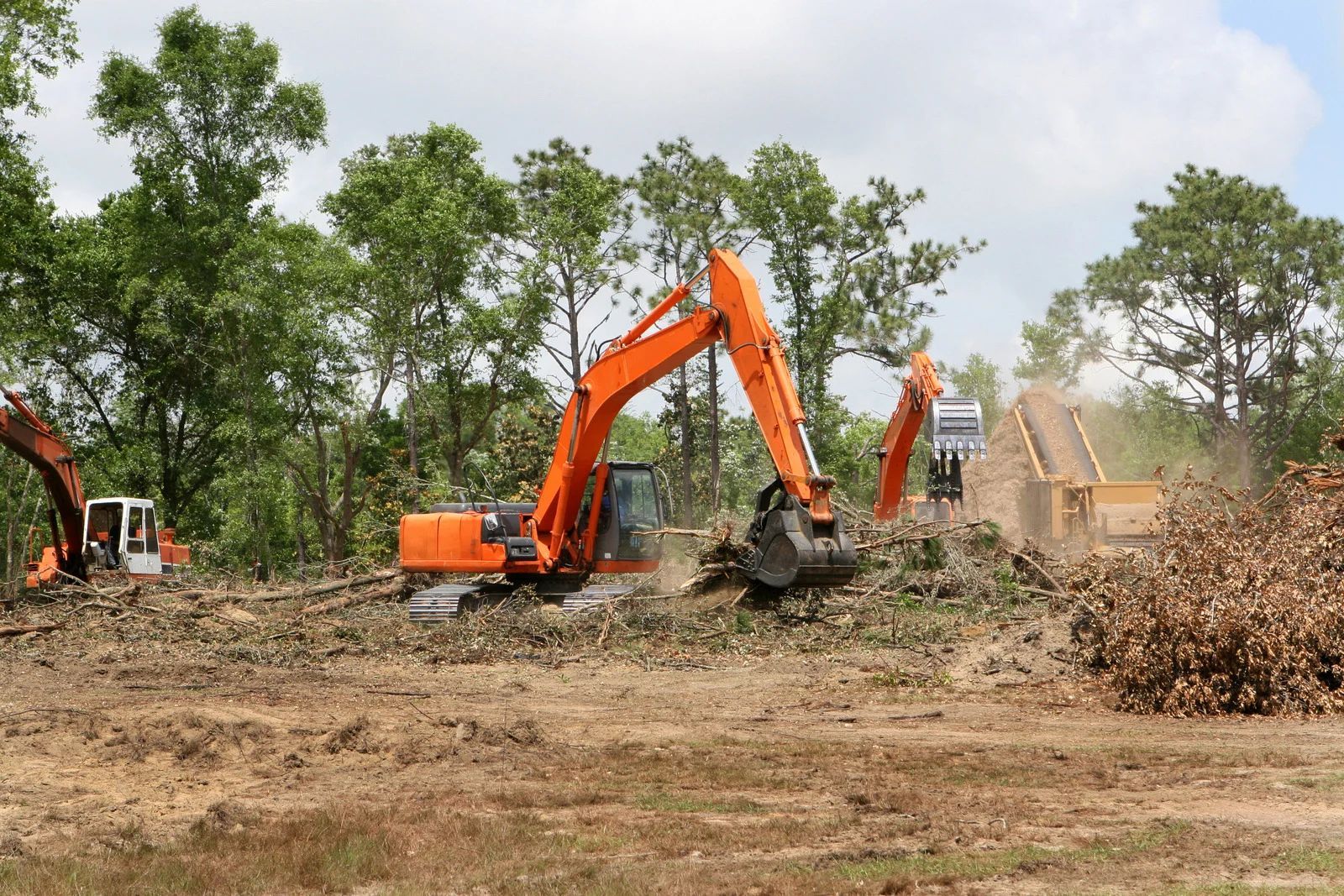
Earthwork services offer specialized solutions that go beyond manual labor. Experts in this field utilize advanced equipment, industry-standard techniques, and precise planning to reshape land, address soil inconsistencies, and prepare sites for construction or landscaping. From subtle signs like uneven surfaces to more severe issues such as water pooling or erosion, knowing when to call for professional earthwork ensures that projects stay on track and properties remain safe. Timely intervention also reduces the likelihood of emergency repairs, saving both time and money. This blog highlights the top five signs that signal the necessity for professional earthwork services, providing actionable insights and expert reasoning to guide informed decisions, helping landowners maintain stable, productive, and attractive properties.
1. Uneven or Sloping Surfaces
Visible Ground Irregularities
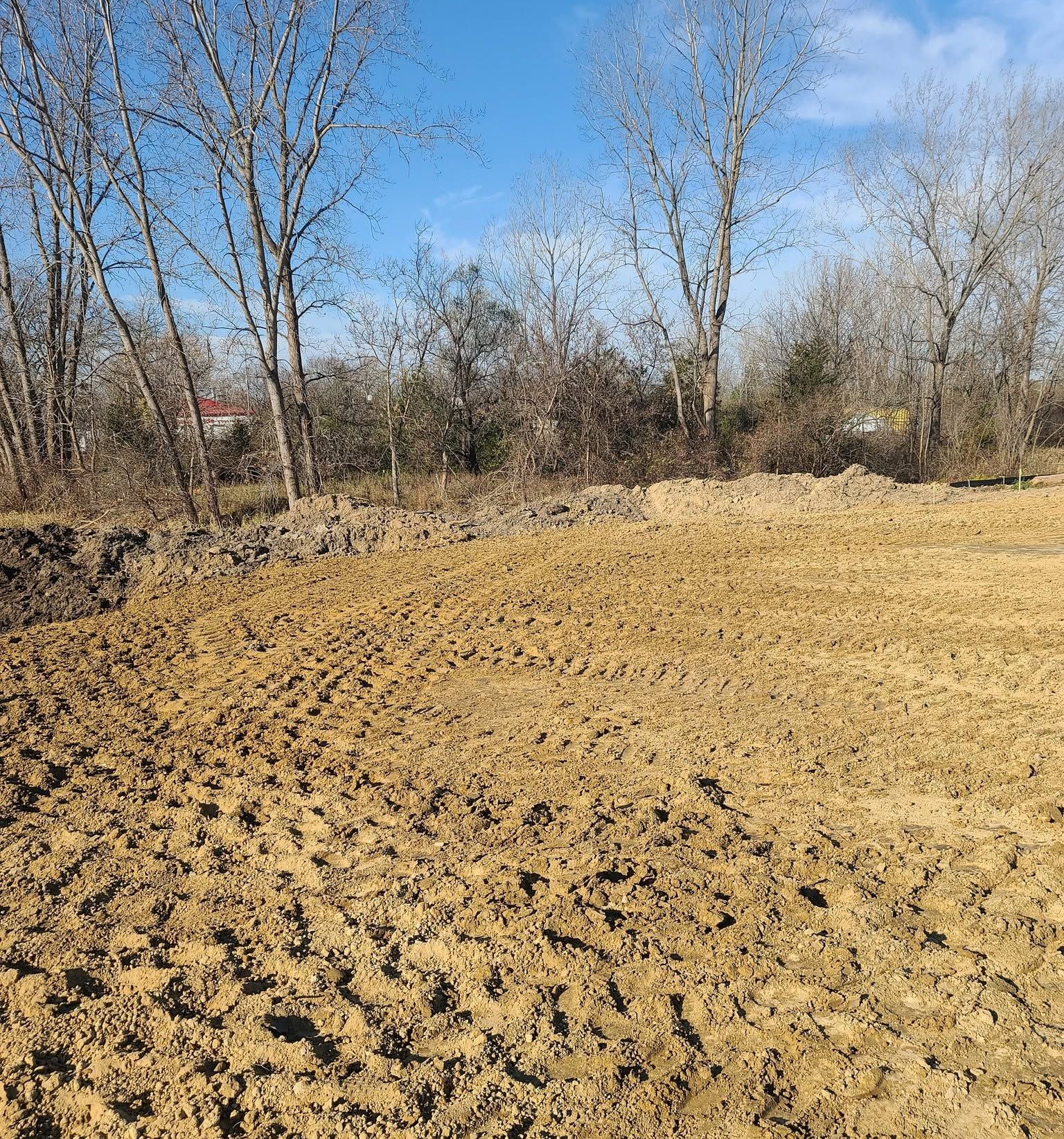
One of the most immediate signs that professional earthwork is required is the presence of uneven surfaces or unexpected slopes. Soil naturally settles over time, but excessive sinking, bulging, or irregular terrain can indicate improper compaction, erosion, or poor drainage. Such unevenness not only affects aesthetics but also creates potential safety hazards, particularly in high-traffic areas like driveways, pathways, or play areas. Even minor slopes can lead to water accumulation, making it essential to evaluate and correct ground alignment before problems worsen.
Long-Term Implications
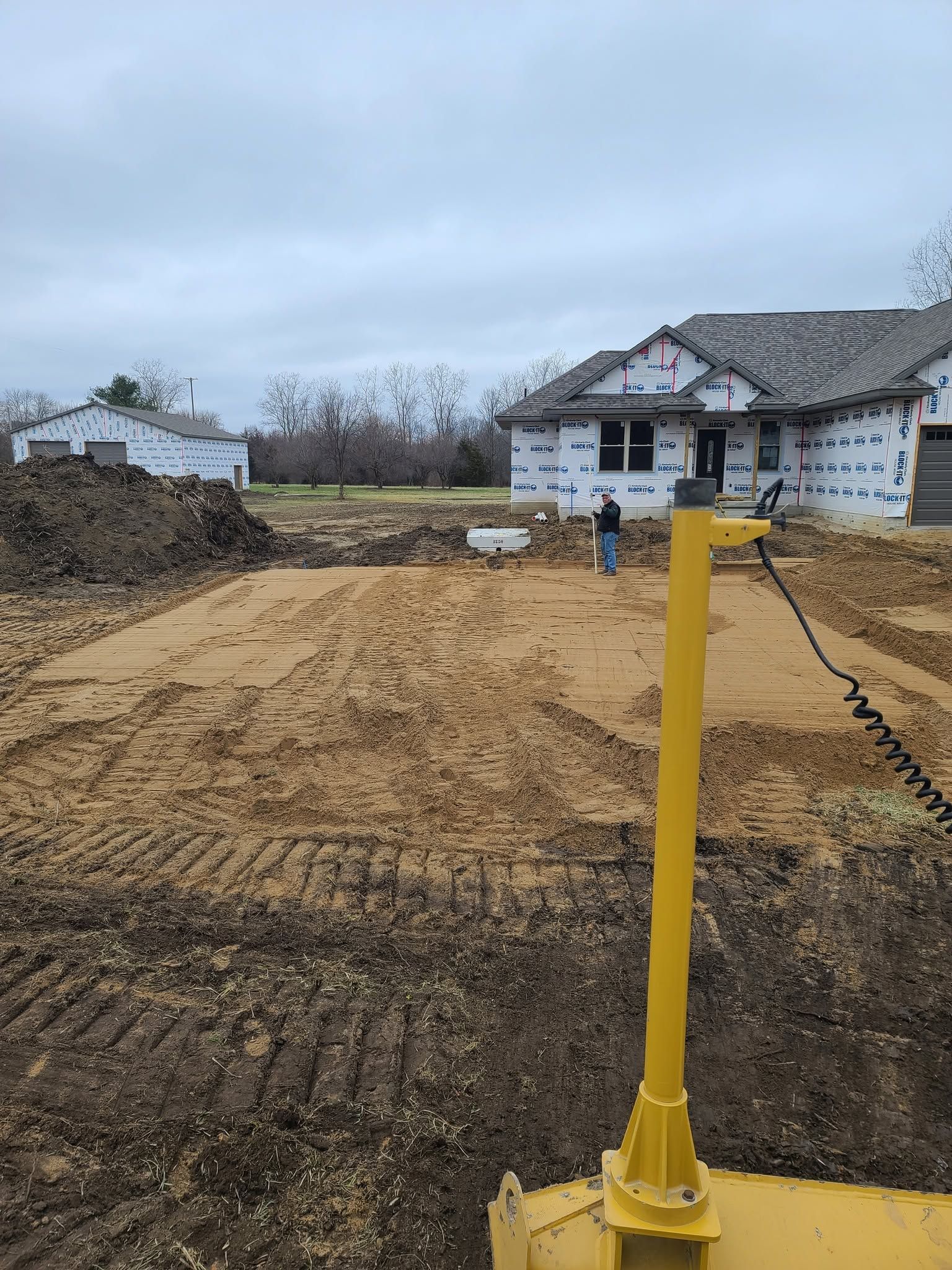
Neglecting uneven terrain can compromise the stability of structures and landscaping features. Buildings constructed on improperly graded soil are prone to foundation cracking, wall settlement, or floor instability. Garden beds or lawns may experience uneven water distribution, leading to plant stress or soil erosion. Professional earthwork specialists employ precision grading, soil stabilization, and laser-guided equipment to correct slopes, ensuring even ground while maintaining proper drainage patterns. Addressing surface irregularities early reduces repair costs, safeguards structures, and improves overall property usability.
2. Poor Drainage and Water Accumulation
Signs of Water Retention
Persistent puddles, waterlogged areas, or slow-draining soil indicate drainage issues that require professional attention. Water accumulation can occur due to compacted soil, improper grading, or blocked natural runoff pathways. Even seemingly minor drainage problems can exacerbate erosion, foundation damage, and landscaping deterioration if left unresolved.
Risks and Challenges
Standing water creates a breeding ground for mosquitoes, algae, and mold, which can affect health and property value. In residential settings, water pooling near foundations can lead to structural weakening or basement flooding. Commercial properties may experience operational disruptions due to waterlogged outdoor areas. Professional earthwork services address these issues by regrading surfaces, installing drainage systems, and employing soil amendments to improve permeability. Utilizing trench drains, French drains, and retention solutions ensures water flows away from critical structures, protecting both land and buildings from long-term damage.
Best Practices
Regular inspection of low-lying areas, combined with expert evaluation, helps identify subtle drainage concerns before they escalate. Professionals recommend maintaining a minimum slope away from structures, typically around 2% to 5%, to ensure water runoff. Incorporating these solutions during the initial phases of construction or landscaping avoids costly retrofits later.
3. Soil Erosion and Washouts
Detecting Erosion
Soil erosion manifests as exposed roots, washed-out paths, or sediment accumulation at property edges. This often occurs in areas with heavy rainfall, steep gradients, or disturbed land surfaces. While minor erosion might appear superficial, repeated washouts can remove topsoil, reduce soil fertility, and destabilize slopes. Early detection of erosion is crucial for maintaining property integrity and preventing environmental degradation.
Consequences of Neglected Erosion
Unchecked erosion can compromise foundations, undermine retaining walls, and threaten landscape installations. Sediment runoff can pollute nearby water sources and violate local environmental regulations. In severe cases, eroded slopes can collapse, posing serious hazards. Professional earthwork addresses these challenges through soil stabilization techniques such as terracing, retaining wall construction, and the use of geotextiles or erosion-control blankets. Stabilization efforts restore soil integrity, prevent further damage, and enhance the long-term sustainability of the property.
Expert Recommendations
Regular inspections, especially after storms or heavy rainfall, help identify early signs of erosion. Integrating vegetation, mulch, or hardscaping elements strengthens soil, while professional grading ensures that natural water flow does not exacerbate erosion. Prioritizing these solutions protects investments in landscaping, infrastructure, and property development.
4. Foundation and Structural Concerns
Early Warning Signs
Cracks in walls, uneven floors, sticking doors, or tilting patios may indicate shifting soil or inadequate compaction beneath the property. These symptoms often originate from underlying earth issues that require professional assessment. Recognizing foundation-related signs early allows corrective earthwork to mitigate further structural compromise.
Soil Compaction and Settlement
Soil composition and compaction play a significant role in foundation stability. Loose or poorly compacted soil can shift under weight, creating uneven settlement. Conversely, over-compacted soil may impede proper drainage and increase hydrostatic pressure on foundations. Professional earthwork services involve soil testing, compaction analysis, and grading adjustments to prepare a stable base for construction. Properly engineered earthwork minimizes settlement risks and ensures long-lasting foundation integrity.
Remediation Techniques
For existing structures showing signs of settlement, techniques such as soil stabilization, under-pinning, or controlled grading can correct uneven stress distribution. In new developments, pre-construction earthwork ensures that soil compaction meets engineering specifications, avoiding future structural issues. These interventions protect both residential and commercial investments while maintaining property safety standards.
5. Landscaping and Accessibility Challenges
Difficult Terrain and Limited Usability
Uneven ground, exposed roots, or poorly graded areas can significantly limit landscaping possibilities, reduce usable outdoor space, and impede access. Properties with slopes, hills, or unlevel terrain often struggle to support walkways, patios, driveways, or recreational areas safely. This not only affects functionality but also property aesthetics, long-term usability, and overall value.
Professional Earthwork Solutions
Earthwork specialists can effectively reshape land to create functional, visually appealing spaces. Techniques include contour grading, terracing, and soil redistribution for improved stability. Access roads, pathways, and driveways can be leveled and reinforced, ensuring durability, safety, and ease of movement. Retaining walls, berms, and slopes can be engineered for both aesthetic appeal and long-term structural stability.
Benefits of Corrective Earthwork
By addressing landscaping and accessibility challenges, properties gain practical usability, enhanced safety, and improved visual appeal. Terraced gardens, leveled lawns, and properly graded pathways not only enhance aesthetics but also prevent soil erosion, water-related damage, and future maintenance issues. Corrective earthwork transforms challenging terrains into productive, visually pleasing, and safe environments suitable for long-term use.
6. Retaining Wall Failures and Sloped Properties
Indicators of Wall Stress
Cracked, bulging, or leaning retaining walls are clear indicators that professional earthwork intervention is necessary. These issues often occur in properties with steep gradients, where soil pressure and water accumulation exceed structural capacity, creating serious risk. Retaining wall failures can lead to slope collapse, endangering structures, landscaping, and overall property safety.
Causes and Risks
Inadequate soil compaction, poor drainage, and excessive load on retaining structures all contribute to wall deterioration over time. Left unaddressed, these issues can trigger landslides, soil displacement, and costly repair work. Professional earthwork involves analyzing soil composition, installing proper drainage, and reinforcing walls using engineered solutions such as tiebacks, geogrids, or modular wall systems for long-term durability.
Preventive Measures
Routine inspections of sloped areas and retaining walls help detect early signs of failure before major problems develop. Implementing preventive earthwork measures such as regrading, terracing, and reinforced wall construction mitigates risks effectively. Properly executed earthwork ensures slope stability, enhances safety, and preserves overall property value for years to come.
Reliable Land Grading and Excavation with Our Expertise
Identifying when professional earthwork is necessary is crucial for property owners aiming to maintain safe, functional, and aesthetically pleasing land. Uneven surfaces, drainage issues, soil erosion, structural concerns, landscaping challenges, and retaining wall stress are all indicators that expert intervention is required. Timely action not only prevents damage but also enhances property usability, ensures structural integrity, and maximizes long-term value. Understanding these signs allows landowners to plan proactively, reduce repair costs, and implement solutions that maintain safe and productive environments.
At Phillips Trucking and Excavating, we leverage over 26 years of experience in Swartz Creek, Michigan, to provide comprehensive earthwork solutions tailored to each property’s unique needs. Our expertise in excavation, grading, drainage management, and soil stabilization ensures that every project is executed with precision and professionalism. By combining advanced equipment with proven techniques, we deliver results that enhance property safety, functionality, and value. Trust in our knowledge and commitment to excellence when addressing land challenges—our experience guarantees thorough, reliable solutions designed to protect investments and create long-lasting, stable property conditions. Partnering with us ensures peace of mind, quality workmanship, and expert guidance every step of the way.