Site development is the foundation of every successful construction project, shaping how land is prepared to support safe, efficient, and long-lasting structures. Before concrete is poured or framing begins, excavation plays a critical role in transforming raw terrain into a build-ready environment. From grading uneven landscapes to managing drainage and soil stability, proper excavation ensures that projects begin with the structural integrity needed for long-term performance. As construction standards continue to evolve, understanding the importance of precise site preparation has become essential for property owners, developers, and contractors alike. Careful site planning also helps optimize land use, improve accessibility, and reduce the likelihood of costly construction setbacks. When groundwork is executed strategically, it creates a reliable platform that supports both immediate building goals and future property value growth.
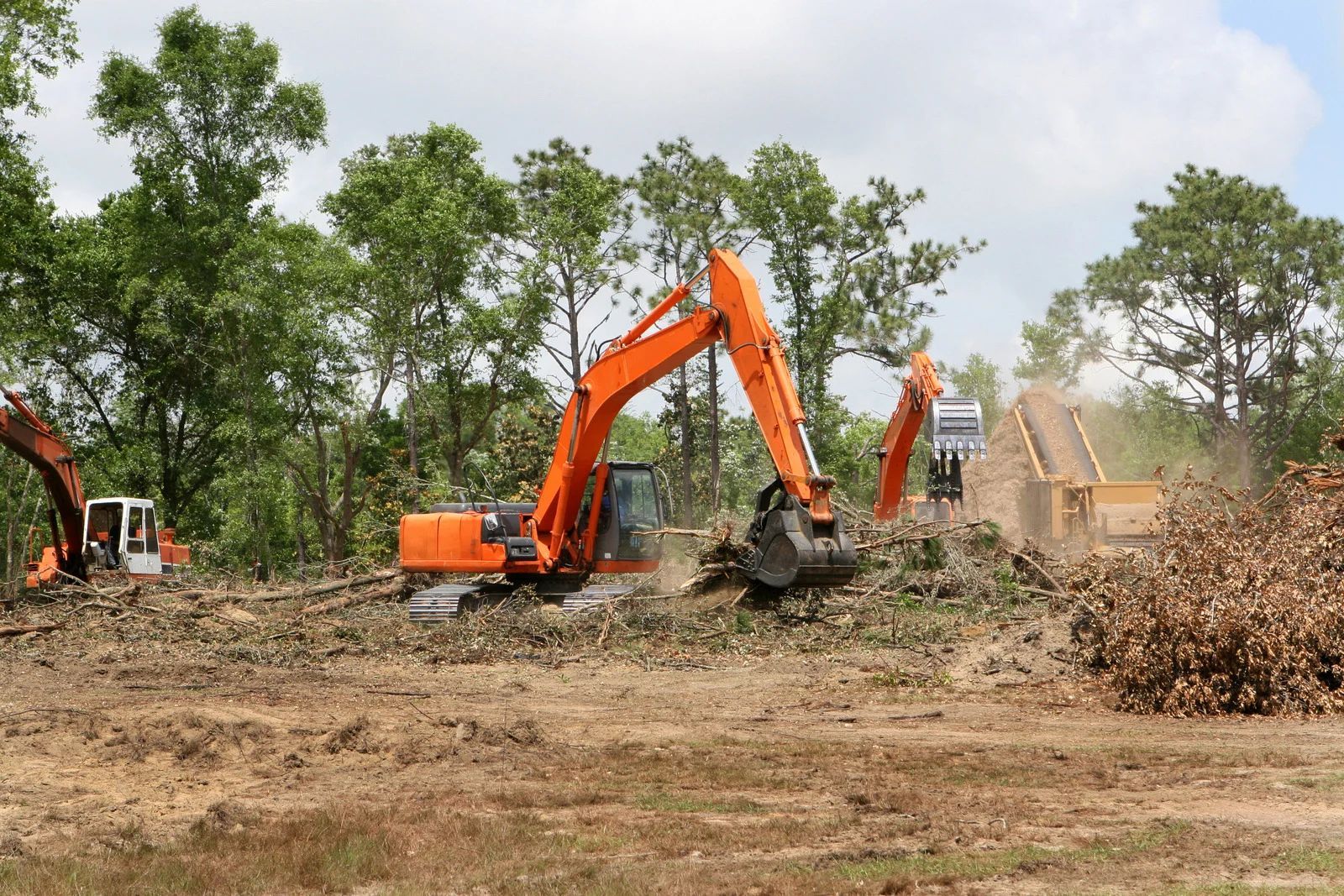
In modern construction, excavation is far more than digging trenches or clearing debris. It involves strategic planning, advanced equipment operation, and careful coordination with engineering specifications and environmental considerations. When excavation is executed correctly, projects benefit from improved safety, reduced delays, and stronger structural outcomes. Conversely, poor excavation practices can lead to costly repairs, unstable foundations, and regulatory challenges. By exploring the fundamentals of site development and the impact of proper excavation, we gain valuable insight into how thoughtful groundwork supports the success of residential, commercial, and infrastructure projects across diverse landscapes. Understanding these foundational processes also empowers stakeholders to make informed decisions, select qualified professionals, and ensure projects progress with confidence and long-term reliability.
The Role of Excavation in Site Development
Establishing Structural Readiness
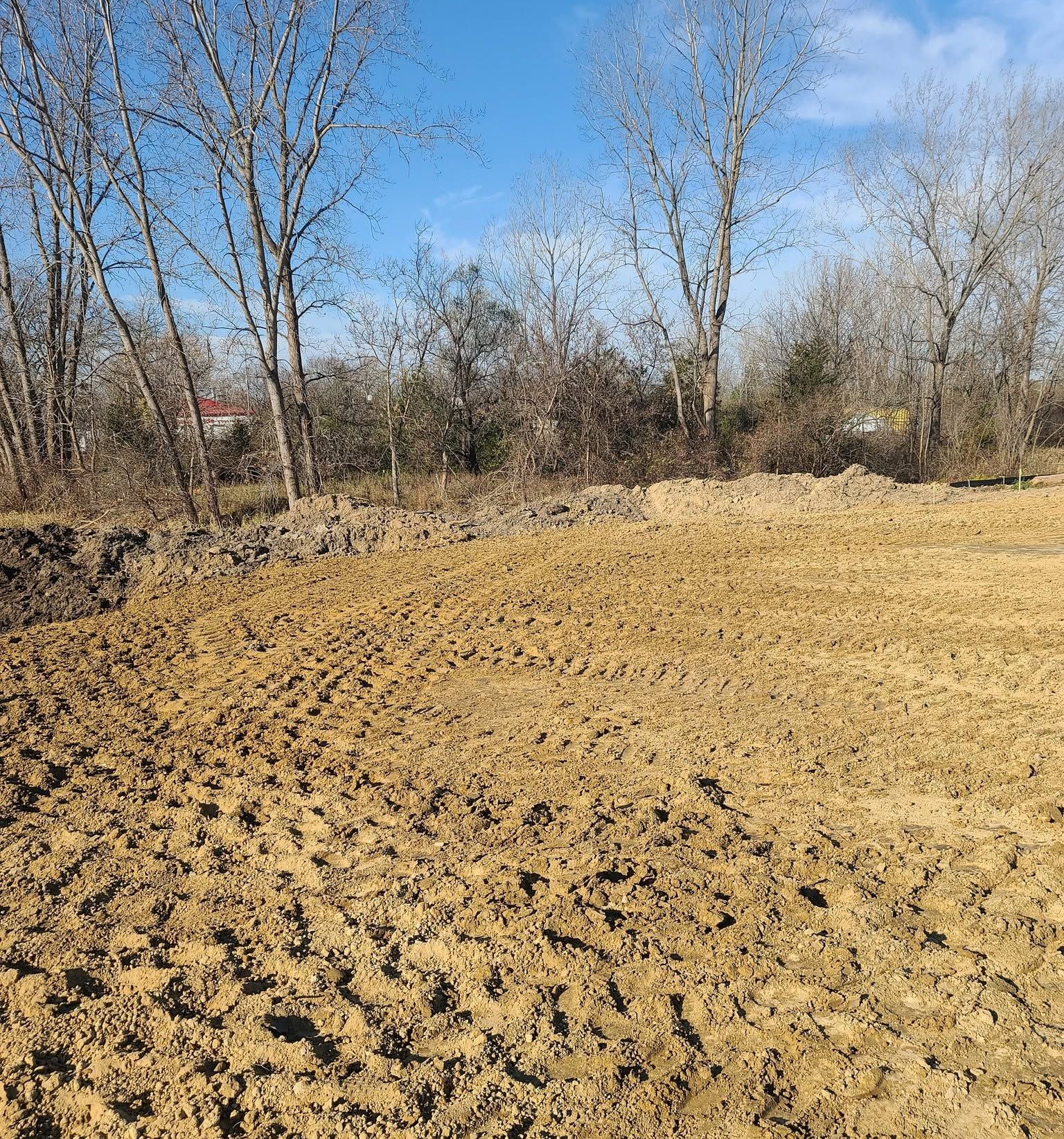
Excavation serves as the initial step that determines whether a construction site can safely support a planned structure for years ahead. Removing unsuitable soil, leveling the ground, and shaping the terrain allow engineers and builders to create a stable base for safe building performance. Without proper excavation, even the most well-designed buildings can face issues such as foundation shifting, uneven settling, or structural cracking that leads to costly repairs.
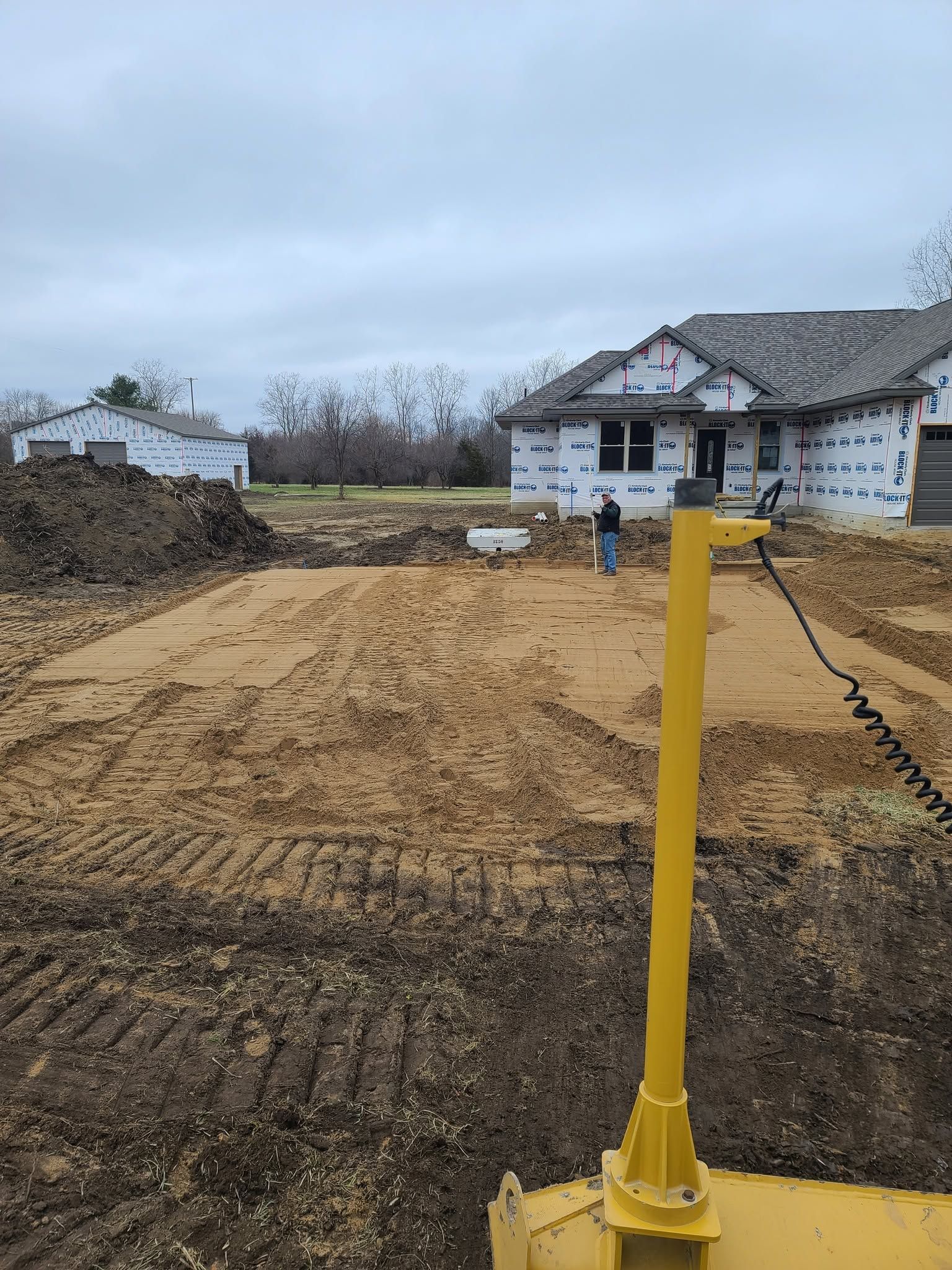
We approach excavation as a precision-driven process that prepares land according to detailed project specifications and long-term performance expectations. This includes interpreting grading plans, identifying soil conditions, and ensuring that subgrade levels meet engineering design requirements. Establishing structural readiness early prevents complications that might otherwise surface during later construction phases and disrupt project timelines.
Supporting Efficient Project Sequencing
Excavation also influences how smoothly a project progresses from one stage to another throughout the overall construction lifecycle. Accurate trenching for utilities, proper site clearing, and timely grading enable subsequent trades to work without unnecessary interruptions or coordination challenges. When excavation aligns with construction timelines, teams can maintain momentum, improve productivity, and minimize costly downtime or scheduling conflicts.
In large-scale developments, for example, properly sequenced excavation ensures that drainage systems, access routes, and foundation areas are prepared simultaneously for multiple construction activities. This coordinated effort reduces the likelihood of rework, prevents logistical confusion, and helps maintain strict budget control effectively.
Soil Analysis and Ground Preparation
Understanding Soil Composition
Every construction site presents unique soil characteristics that significantly impact excavation strategies and overall structural planning decisions. Clay soils retain moisture and expand, while sandy soils may lack the cohesion needed to support heavy structural loads consistently. Rocky terrain requires specialized equipment, advanced techniques, and additional time considerations to achieve desired excavation depths safely. Conducting soil analysis before excavation begins allows for informed decisions about compaction, reinforcement methods, and effective drainage solutions.
We recognize that soil testing is not merely a regulatory requirement but a practical necessity for ensuring long-term structural stability. Engineers use detailed data from soil reports to determine load-bearing capacity and recommend suitable foundation types confidently. This scientific approach minimizes the risk of future settlement, structural movement, and expensive foundation-related maintenance concerns.
Implementing Proper Compaction Techniques
Ground preparation extends beyond excavation depth to include effective compaction processes that strengthen soil performance under pressure. Compacting soil layers reduces air pockets and enhances load distribution, creating a firm base for reliable construction support. Inadequate compaction can lead to uneven surfaces, persistent water pooling, and compromised structural performance over extended periods.
Best practices involve compacting soil in controlled layers while carefully verifying density through field testing procedures. Modern compaction equipment allows operators to achieve consistent results across varying terrain conditions, ensuring prepared ground meets strict engineering standards. This attention to detail significantly contributes to overall project durability, safety compliance, and long-term infrastructure success.
Drainage Planning and Water Management
Preventing Water-Related Structural Damage
One of the most critical objectives of excavation is managing water flow around and beneath structures during and after construction. Improper drainage can lead to foundation erosion, basement flooding, soil instability, and premature material deterioration over time. Excavation professionals design slopes, swales, and retention features that effectively direct water away from vulnerable structural areas.
We understand that proactive water management protects property investments, enhances structural safety, and improves overall site usability significantly. For instance, grading a site to promote natural runoff reduces reliance on mechanical drainage systems and lowers maintenance requirements substantially.
Integrating Stormwater Solutions
Modern site development increasingly incorporates sustainable stormwater management practices to support environmental protection and infrastructure longevity. Excavation plays a pivotal role in creating retention ponds, infiltration trenches, and permeable surfaces that effectively mitigate runoff impact. These engineered features help comply with environmental regulations while supporting community resilience and responsible land development goals.
In urban developments, thoughtful excavation planning ensures that stormwater infrastructure blends seamlessly with landscaping, access routes, and functional outdoor spaces. By integrating these solutions early, projects avoid redesign costs, regulatory delays, and contribute to responsible long-term land use practices.
Equipment, Technology, and Precision Execution
Advancements in Excavation Machinery
The excavation industry has experienced significant technological advancements, improving both operational efficiency and accuracy across diverse project environments. GPS-guided machinery, laser leveling tools, and automated grading systems allow operators to achieve precise results aligned with digital site plans. These innovations reduce manual guesswork, streamline workflows, and enhance productivity across small and large developments.
We leverage modern equipment capabilities to perform excavation tasks with minimal disruption to surrounding properties and infrastructure. Precision execution not only speeds up project timelines but also ensures consistent compliance with design tolerances and safety standards.
Enhancing Safety Through Technology
Safety remains a top priority in excavation activities, especially when working near utilities, traffic zones, or populated areas. Technologies such as underground utility detection systems and real-time monitoring tools help identify hazards before excavation work begins. This proactive approach protects workers, nearby structures, public infrastructure, and ongoing construction operations effectively.
For example, locating buried utilities prior to trenching prevents accidental service interruptions, expensive repairs, and potential workplace injuries. By combining technological tools with skilled expertise, excavation professionals can maintain safe environments while delivering reliable project outcomes.
Challenges in Excavation and How to Overcome Them
Navigating Environmental and Regulatory Requirements
Excavation projects often face regulatory scrutiny related to erosion control, sediment management, and land disturbance limitations. Compliance requires detailed planning, documentation, and ongoing monitoring throughout every stage of site development activities. Failure to meet environmental standards can result in fines, unexpected delays, reputational damage, or costly project redesigns.
We address these challenges by implementing erosion control measures such as silt fencing, stabilized entrances, drainage barriers, and temporary vegetation systems. Maintaining open communication with inspectors and stakeholders helps ensure excavation activities consistently align with local regulations and expectations.
Managing Unforeseen Site Conditions
Unexpected obstacles such as hidden debris, groundwater intrusion, unstable soil layers, or outdated underground infrastructure can disrupt excavation schedules. Effective project management involves contingency planning, adaptive strategies, and flexible resource allocation to maintain progress. By anticipating potential risks early, teams can respond quickly without compromising excavation quality or safety standards.
A real-world scenario might involve discovering unsuitable fill material during foundation excavation activities on an active site. Prompt removal and replacement with engineered backfill restores structural integrity and allows construction to proceed confidently. This adaptability highlights the importance of experience, technical knowledge, and strong problem-solving skills in excavation operations.
Professional Land Development Support Backed By Expertise
Proper excavation is a cornerstone of successful site development, influencing structural stability, project efficiency, and long-term property performance. By prioritizing soil analysis, drainage planning, precise equipment operation, and regulatory compliance, construction projects gain the solid groundwork needed to withstand environmental pressures and evolving usage demands. Thoughtful excavation practices reduce risks, support seamless construction sequencing, and enhance the durability of both residential and commercial structures.
Understanding the value of professional excavation empowers property owners and developers to make informed decisions that safeguard investments and promote sustainable land use. From preparing foundations to managing water flow, excavation shapes every stage of the construction lifecycle. When executed with expertise and strategic planning, it transforms raw terrain into a dependable platform for growth, innovation, and community development.
With over 26
years of hands-on experience in the excavating industry, Phillips Trucking and Excavating
in Swartz Creek, Michigan continues to set high standards for dependable site preparation. We focus on precision, safety, and efficiency to deliver results that support strong foundations and successful construction outcomes. Our commitment to quality workmanship and client-focused solutions ensures that every excavation project receives the attention and expertise required for lasting performance.