Quick Answer: Soft, wet, or unstable ground is almost always a combination of three things: too much clay, too much water, or soil that was never properly compacted. Clay-heavy soil holds moisture and shifts as it wets and dries, poor grading lets water pool instead of draining away, and loose fill or disturbed topsoil settles unevenly under load. The fix starts with identifying which of those factors is at work, then correcting it through targeted excavation, drainage work, and compaction rather than building on top of the problem. Left alone, unstable soil shows up later as cracked slabs, sunken driveways, or a foundation that settles unevenly.
You feel it before you see it. The excavator's bucket sinks two inches before it touches anything worth moving. Boots pull free of the ground with a wet suction sound days after the last rain, and a spot that looked solid on the site walk now flags soft under a proof-roll. If you've built in Mid-Michigan for any length of time, you've stood on a lot like this — ground that looks buildable from the road and behaves completely differently once equipment gets on it.
That's not a mystery, and it's not a reason to write off a site. Soft, wet, or unstable ground is a soil condition with an identifiable cause. Once you know what's causing it, there's a clear path to fixing it before a foundation, pad, or driveway ever goes in.
What Makes Ground Soft, Wet, or Unstable
Most problem soil traces back to one or more of the following.
Clay Content
Clay particles are small and hold water tightly, which means clay-heavy soil expands when it's wet and contracts as it dries. That swelling and shrinking cycle is what causes soil under a slab or footing to move over time, even after construction is finished. Genesee County and much of Mid-Michigan sit on glacial till with a heavy clay component, so this is a common starting point on local lots rather than an unusual one.
Poor Natural Drainage Or Grade
Ground that's flat, low-lying, or graded so water collects instead of running off stays saturated longer after every rain. Saturated soil loses strength — the water sitting between soil particles reduces the friction that gives soil its load-bearing capacity, so ground that would otherwise support equipment and structures becomes soft and yielding.
Unconsolidated Fill Or Disturbed Soil
Soil that was moved, dumped, or graded at some point in the past — old fill from a prior project, spoil piles, or backfilled trenches — often wasn't compacted to the density needed to carry structural loads. It can look identical to undisturbed native soil on the surface while settling unevenly underneath.
High Water Table Or Seasonal Groundwater
Some lots sit close enough to the water table, a wetland edge, or a drainage-way that groundwater rises into the working zone for part of the year, particularly during spring thaw. That water doesn't need a rainstorm to show up — it's simply closer to the surface than expected.
Organic Material Or Topsoil Left In Place
Topsoil, root mass, and buried organic debris compress and decompose over time, which means any structure or pad built on top of it will settle as that material breaks down. It has to be identified and removed rather than graded over.
How Soil Problems Show Up Before and During Construction
Standing Water Or Ponding
Water that sits on a lot for more than a day or two after rain — rather than soaking in or running off — is one of the clearest early signs that drainage and soil stability need attention before anything else moves forward.
Spongy, Rutted, Or Pumping Ground
Ground that visibly deflects underfoot, or that ruts and "pumps" (flexes and pushes water up) under equipment traffic, doesn't have the bearing capacity to support a building pad, driveway base, or utility trench yet.
Cracking, Settling, Or Tilting Nearby
If an existing structure, patio, or section of driveway on the property is already cracked or leaning, it's often a signal about the soil underneath the whole lot, not just that one feature.
Equipment Getting Stuck Or Struggling For Traction
When trucks and excavation equipment routinely bog down or need extra passes to move across a section of the lot, that section is telling you something about bearing capacity that's worth listening to before foundation work begins.
Proof-Roll Or Compaction Test Failures
On lots that already have some fill or grading in place, a proof-roll (running loaded equipment across the surface to watch for deflection) or a density test can fail even when the surface looks fine, revealing soft spots hidden a few inches down.
TIP: Walk a lot after a rain, not just on a dry day. Soil that looks firm and dry can behave completely differently 24 to 48 hours after saturation, and that's closer to the condition it will be in during an actual wet-weather construction stretch.
How Soil Testing and Assessment Guide the Fix
Correcting unstable ground starts with knowing exactly what's underneath, not guessing based on the surface.
Visual And Physical Assessment
An experienced excavation crew can often identify clay content, drainage patterns, and obvious fill areas just by walking a lot, checking test pits, and noting how the ground responds to equipment traffic during initial site work.
Compaction And Density Testing
A Proctor test establishes the maximum density a given soil can reach at its ideal moisture content, and field density testing then checks whether compacted soil on site is meeting that target. This is the same basic method soil labs and site engineers use nationally to confirm that a pad or fill area is dense enough to carry structural loads, and it turns "does this feel solid" into a measurable number.
Drainage Evaluation
Understanding where water naturally moves across a lot — and where it currently pools — determines whether the fix is primarily a soil problem, a grading problem, or both. Soil that's structurally fine but sitting in a low spot behaves like unstable soil until the drainage is corrected.
Moisture Content Checks
Soil that's too wet won't compact properly no matter how much effort goes into it, and soil that's too dry doesn't bind well either. Knowing the moisture content ahead of compaction work prevents wasted passes with equipment on soil that isn't ready yet.
Earthwork Solutions for Soft, Wet, or Unstable Ground
Once the cause is identified, the correction is usually one or a combination of these approaches.
Removing And Replacing Unsuitable Soil
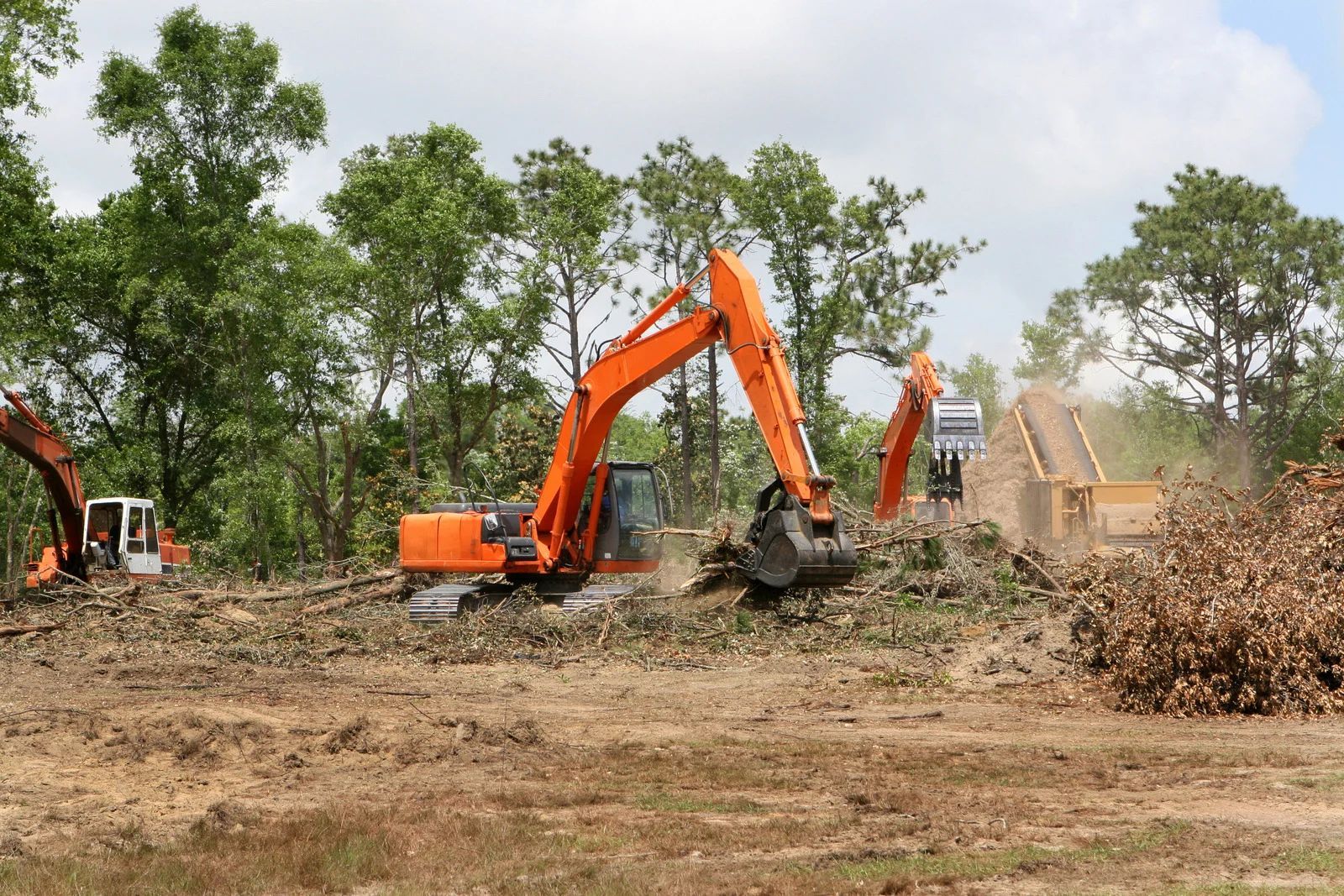
Where topsoil, organic material, or poorly compacted old fill is the issue, the most reliable fix is excavating it out and replacing it with clean structural fill that's placed and compacted in controlled lifts. This is standard practice on new-build pads and gives a builder a known, tested foundation to work from rather than a guess.
Grading To Correct Drainage
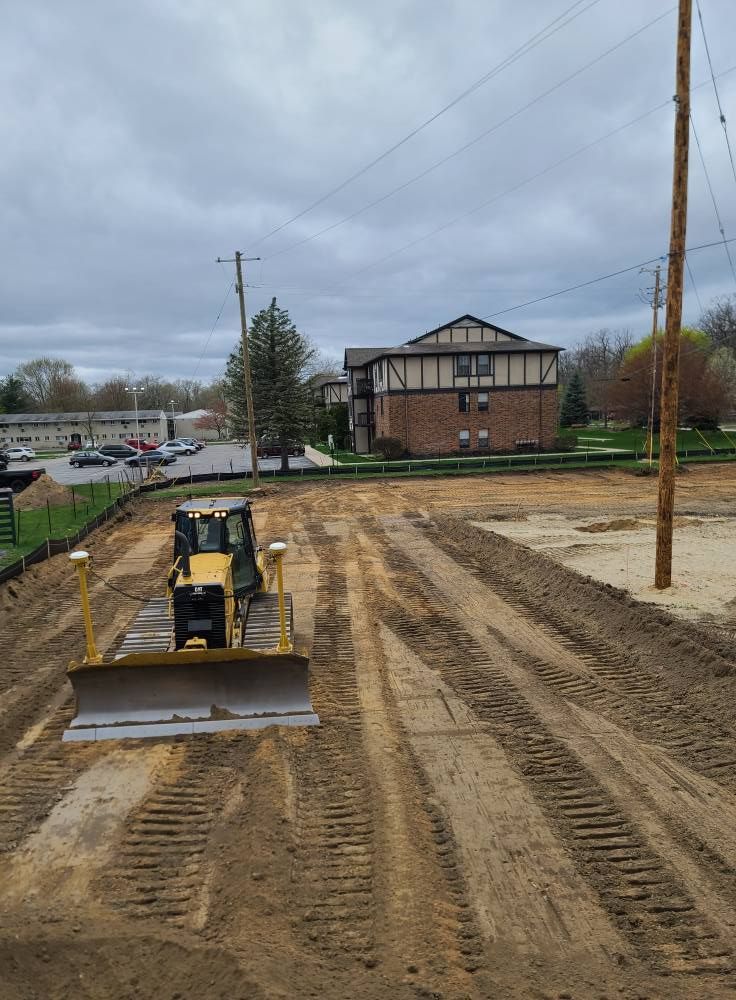
Reshaping the site so water sheds away from the building area — rather than collecting on it — reduces how long soil stays saturated after rain. In many cases, a soil problem that looks severe is largely a drainage problem, and correcting the grade solves most of it.
Compaction In Controlled Lifts
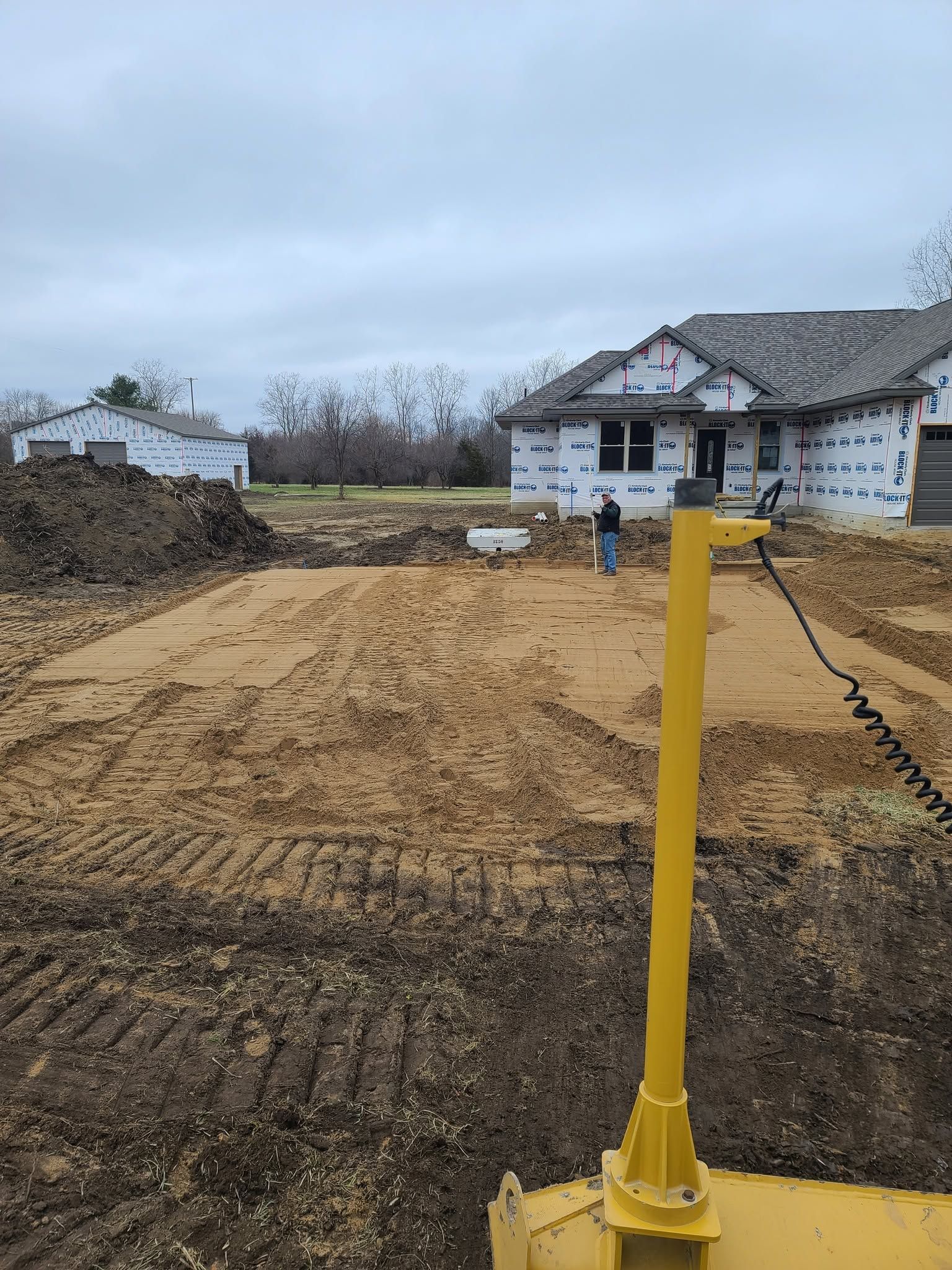
Fill soil isn't simply pushed into place and left; it's spread in shallow layers (lifts), each compacted to a target density before the next layer goes down. Skipping this step is one of the most common reasons a pad settles unevenly months or years after construction, because the lower layers were never properly densified.
Subsurface Or Surface Drainage Improvements
For lots with a persistently high water table or a wet low spot, drainage measures — swales, French drains, or daylighted outlets that move water off the site — address the root cause instead of just moving the soil problem to a different spot on the property.
Soil Stabilization With Select Fill Or Aggregate
In some cases, blending in a more stable material, such as a granular base layer, gives problem soil the bearing capacity it needs without a full removal-and-replace. Which approach makes sense depends on how deep the unsuitable soil extends and what's going to sit on top of it.
WARNING: Building directly on top of soft or wet ground without correcting it — even with a thicker slab or extra rebar — doesn't solve the underlying problem. The soil will still move, and the most common result is a foundation or slab that cracks or settles unevenly once the structure's full weight is on it and the seasons cycle through a few freeze-thaw periods.
What This Means for Your Timeline and Planning
Soil correction work takes time. But it's far easier to plan around than to discover halfway through a project. Clay-heavy, freeze-thaw-affected ground like much of what's found around Swartz Creek and Flint behaves differently by season — spring often brings the wettest, softest conditions as frost comes out of the ground and snowmelt saturates the topsoil, while a stretch of dry summer weather can make the same lot compact far more easily. Scheduling excavation and pad work around those seasonal patterns, rather than fighting them, does more to keep a project on track than extra equipment thrown at a bad-weather day ever will.
Getting a soil assessment early — before a foundation design is finalized or a closing date is set — also gives a builder options. If a lot needs significant soil removal and replacement, that's far better known during planning than discovered once footings are already being poured. It affects how a pad is designed, where drainage runs, and how much lead time the earthwork phase needs before vertical construction can start.
Frequently Asked Questions
How can I tell if my lot has unstable soil before construction starts?
Walk the property after rain and check for standing water, spongy areas, ruts, or nearby structures showing cracks or uneven settling. Test pits, soil evaluation, and compaction testing provide a more reliable assessment before construction begins.
Is clay soil always a problem for building?
Clay soil is common across Mid-Michigan and isn't automatically unsuitable for construction. Proper grading, drainage, and compaction can make clay workable. Problems develop when saturated or expansive clay is left untreated beneath structural areas.
Can wet ground dry out enough to build on without excavation work?
Sometimes, seasonal wetness can improve when drainage is corrected and the soil dries adequately. However, high groundwater, poor drainage, or unsuitable soil composition usually requires a lasting correction rather than simply waiting for dry weather.
What's the difference between soft soil and unstable soil?
Soft soil is typically too wet or loose to support construction loads but may improve through drying and compaction. Unstable soil is prone to ongoing movement from expansive clay, poor fill, drainage problems, or other underlying conditions.
Does every project with soft or wet ground need soil to be removed and replaced?
No. Soil removal and replacement is only one possible solution. Depending on the depth and cause, drainage improvements, grading, controlled compaction, or aggregate stabilization may provide sufficient support without completely removing the existing soil.
How does frost affect soil stability in Mid-Michigan?
Frost causes moisture within soil to freeze and expand, while thawing can temporarily weaken saturated ground. This freeze-thaw cycle makes spring particularly challenging for construction and can expose soil instability that wasn't obvious during drier seasons.
A Stable Foundation Starts Beneath The Surface
Soft, wet, or unstable ground can change how a construction project needs to be planned, but identifying the problem early makes the correction much more manageable. Soil conditions can vary across a single property, with clay-heavy areas, poorly compacted fill, drainage issues, or seasonal groundwater creating different challenges from one section to another. Addressing those conditions before foundations, driveways, or other structures are installed helps create a more predictable base and reduces the risk of future settling, cracking, or uneven movement.
In Swartz Creek, MI, Phillips Trucking and Excavating
has more than 26
years of experience working with Mid-Michigan soil and site conditions. Proper excavation, grading, drainage, soil replacement, and compaction can transform ground that initially seems unreliable into a site prepared for the next stage of construction. The goal is not simply to make the surface look level, but to create stable conditions beneath it that can continue supporting the finished project through changing moisture, seasonal weather, and normal ground movement.